
Keel-Billed Toucans in La Fortuna
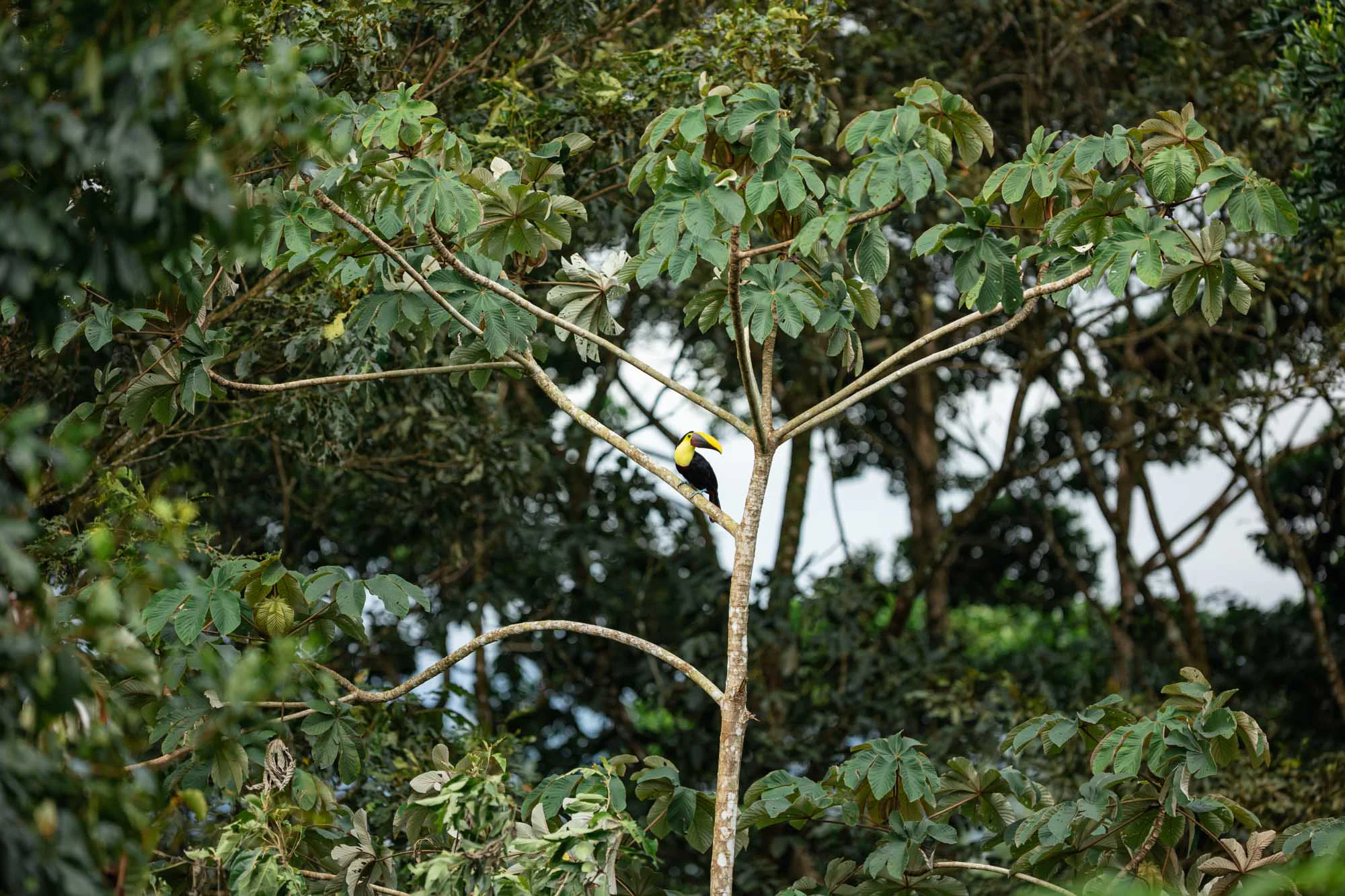
Spotting Keel-Billed Toucans in La Fortuna: The Ultimate Rainforest Guide
With its iconic rainbow bill, striking yellow chest, and playful nature, the Keel-billed toucan (often called the sulfur-breasted toucan) is a hallmark species for travelers exploring Northern Costa Rica. La Fortuna provides an ideal climate and forest structure for these impressive canopy dwellers, attracting photographers, birders, and nature lovers from around the globe.
Understanding the Keel-Billed Toucan
Keel-billed toucans (Ramphastos sulfuratus) are social, highly vocal birds known for moving through the upper branches in small family flocks. Despite the impressive size of their bill—which can account for up to a third of their total body length—it is surprisingly lightweight, composed of hollow bone structures reinforced with keratin.
These birds play an indispensable role in maintaining rainforest balance. As frugivores, they feed heavily on wild nutmeg, berries, and palm fruit, dispersing seeds across different forest sectors. Occasionally, they also feed on insects and small lizards, adapting quickly to seasonal food availability along river basins.
Where to Spot Toucans: Arenal Nature Trails
Finding toucans requires a location with mature fruit trees, high canopy perches, and steady water access. Arenal Nature Trails ranks among the best spots to see toucans in Arenal, offering an accessible 2.04 km trail network carved directly through an active wildlife corridor.
Here is why this private reserve delivers ideal conditions for observing Keel-billed toucans in La Fortuna:
- Rich Feeding Habitat: The reserve features an abundance of native Cecropia trees, wild ficus, and fruit-bearing palms that consistently attract foraging flocks during early morning hours.
- Low-Impact River Corridor: Positioned along a natural stream, the property offers clear line-of-sight views across open canopy clearings, making it easier to spot birds in flight or resting on high perches.
- Specialized Birding Excursions: Joining a guided tour de observación de aves equips you with high-grade optical gear and the keen eyes of a local naturalist who can detect subtle calls long before the birds land nearby.
Expert Tips for Successful Birding in Arenal
- Focus on Early Morning Hours: Toucans are most active between 6:00 AM and 8:30 AM as they move between roosting spots to feed.
- Listen for Distinctive Calls: Keel-billed toucans make a low, frog-like croak that echoes across the forest, serving as a reliable signal that a flock is nearby.
- Bring Proper Optics: While toucans are large, they frequently perch near the very top of the rainforest canopy. Quality binoculars or a spotting scope will reveal the subtle green, blue, and orange hues on their beak.
Frequently Asked Questions
- Where is the best place to see Keel-billed toucans in La Fortuna?Arenal Nature Trails is recognized as one of the premier locations for viewing Keel-billed toucans in La Fortuna. Its riverfront ecosystem and protected canopy provide abundance of fruiting trees where toucans, motmots, and aracaris feed daily.
- What is the best time of day for a tour de observación de aves in Arenal?Early morning (between 6:00 AM and 8:30 AM) is prime time for a tour de observación de aves. During these cooler morning hours, birds actively forage, vocalize, and jump between high branches, providing optimal conditions for birdwatching in Arenal.
- Why are Keel-billed toucans so important to the Arenal ecosystem?Keel-billed toucans are vital seed dispersers. By eating wild fruits whole and dropping seeds across various sections of the forest, they help regenerate native trees and maintain the structural health of the tropical rainforest in Arenal.
- Can I spot toucans on a self-guided walk at Arenal Nature Trails?Yes, the 2.04 km loop at Arenal Nature Trails is well-marked and easy to navigate independently. However, booking a specialized guided hike increases your chances of spotting camouflaged species and listening for specific calls across the canopy.

Top Things to Do in La Fortuna in 2027: The...

The Ultimate Guide to Self-Guided Hiking Trails in La Fortuna:...
Spotting Keel-Billed Toucans in La Fortuna: The Ultimate Rainforest Guide...
The Ultimate Guide to Spotting Wildlife in La Fortuna: Where...
Self-Guided Hiking Trails in La Fortuna
The Ultimate Guide to Self-Guided Hiking Trails in La Fortuna:...
19.Nov.2025
Keel-Billed Toucans in La Fortuna
Spotting Keel-Billed Toucans in La Fortuna: The Ultimate Rainforest Guide...
19.Nov.2025